Love the idea of strolling to coffee, dinner, and a concert without getting in the car? Living near Downtown Kirkwood gives you that small-town main street feel with a lively calendar and easy access to transit. You might wonder how the rhythm of events, train activity, or parking rules will shape day-to-day life. In this guide, you’ll learn what to expect, how to choose the right property for your lifestyle, and smart ways to trade a little bustle for a lot of convenience. Let’s dive in.
Why Downtown Kirkwood appeals
Downtown Kirkwood is an historic, walkable commercial district that serves nearby neighborhoods and draws visitors from across St. Louis County. You can reach cafés, shops, services, and restaurants by foot, which is a major shift from more spread-out areas. The Kirkwood station connects regional rail, Amtrak, and local transit, so commuting or heading into the city can be efficient without relying on a car. Properties close to the core often carry a premium for walkability, and you will see more condos, apartments, and townhouse-style options near the action.
Weekly and seasonal rhythms
Market mornings
Regular farmers’ markets bring a pleasant surge of morning activity. You can expect more foot traffic and fuller short-term parking near market hours, especially in the growing season. Crowds usually taper by early afternoon, so mornings feel vibrant while the rest of the day settles down.
Dinner and performance nights
Restaurant-lined blocks come alive in the evening. Fridays and Saturdays see the most foot traffic thanks to dinner service, bars, and late-night cafés. On nights with live music or community theater, activity can extend later, then return to normal the next day.
Weekends and special events
Seasonal festivals, art fairs, parades, and summer concert series are highlights of the calendar. These events can temporarily close streets or shift parking patterns for a day or weekend. They create short bursts of noise and energy that many residents see as part of the charm, and they are intermittent.
Commuter peaks
Morning and early evening bring predictable commuter activity around the station. Park-and-ride habits can affect nearby streets on weekdays. If you have a garage or assigned stall, peak times are easy to navigate.
Seasonal patterns
From spring through fall, outdoor dining and events are most frequent. Winter is quieter overall, with holiday activities concentrated around specific dates. This seasonal ebb and flow helps you plan for the times that matter most to your schedule.
Transportation and parking
Ways to get around
Regional rail and local transit reduce the need for daily driving, which is a big advantage if you commute. Sidewalks and bike-friendly amenities support short trips without a car. Many residents combine walking for daily errands with transit for longer trips.
Where you park
Downtown areas rely on a mix of on-street spaces, municipal lots or garages, and private business lots. Time limits and enforcement help keep spaces turning over for customers. Near commuter stations, dedicated lots or permit areas can fill early on weekdays and may influence nearby residential streets if enforcement is light.
Event impacts
Large events and market days fill the most convenient spaces first. Residents often shift to municipal lots, rely on off-street parking, or plan around peak hours. If you prefer certainty, off-street parking is a valuable feature to prioritize.
Buyer and renter tips
- Confirm posted time limits, resident permit zones, and overnight rules on your block.
- Ask about included stalls, guest parking, and any HOA restrictions for visitors.
- If you have multiple cars, look for a driveway, garage, or assigned parking to avoid stress.
Noise expectations and how to manage
Common sources
Daytime noise often comes from delivery trucks, market vendors, and normal business operations. Evenings bring sounds from patios and live performances on event nights. Trains and station activity add a predictable layer tied to schedules. Seasonal festivals may use amplified sound for short periods.
What living with downtown noise feels like
You will notice more ambient activity than on a quiet suburban block. Noise typically rises and falls with market mornings, weekend evenings, and special events. Many residents view this as a trade for convenience and vibrancy, rather than a constant issue.
Smart mitigation strategies
- Property selection: Choose higher floors, units set back from main streets, or homes with bedrooms away from the busiest facade.
- Building features: Look for double or triple-pane windows, solid-core doors, quality insulation, and well-sealed openings.
- Lifestyle adjustments: Favor homes with assigned off-street parking, and review any building quiet-hours policies if you are considering a condo.
How tradeoffs shape your search
Housing types near the core
You will see more apartments, condos, and mixed-use buildings right by the square. Step a bit farther out and you will find townhouses and smaller-lot single-family homes. Larger single-family properties are more common on surrounding residential streets, which often feel quieter and offer more parking.
Key tradeoffs to consider
- Convenience vs privacy: Close to shops, dining, and transit means more life at your doorstep and potential for higher resale. It can also mean busier evenings.
- Cost vs space: Downtown-adjacent homes may cost more for the location, and smaller units are common near the core.
- Parking vs car count: If you own multiple vehicles, prioritize a garage or dedicated stalls. If you commute by rail or bus, you may be comfortable with limited parking.
- Investment vs lifestyle: Walkable locations tend to draw strong rental interest. If you are buying for yourself, weigh HOA rules, sound profiles, and maintenance needs.
Buyer profiles and pointers
- Professionals who commute by transit: Living within a short walk to the station is a real advantage.
- Households with children: Consider how evening activity fits with routines, and review proximity to parks and services.
- Empty-nesters or singles: Smaller footprints near dining and entertainment can be ideal.
- Investors or landlords: Confirm local rental rules, parking supply, and seasonal demand near event venues.
Quick checklist before you write an offer
- Review the downtown event calendar and typical market days.
- Study posted parking rules near the property, including any permit zones or time limits.
- Visit at multiple times, for example a market morning and a Saturday evening, to hear and see real conditions.
- Check transit schedules, train frequency, and bus routes that serve the station.
- Confirm zoning and permitted uses for adjacent commercial parcels.
- Inspect building features that control sound, for example windows, insulation, and door quality.
- Verify garage, driveway, or assigned parking details and any HOA or condo rules.
For sellers near downtown: showcase convenience and calm
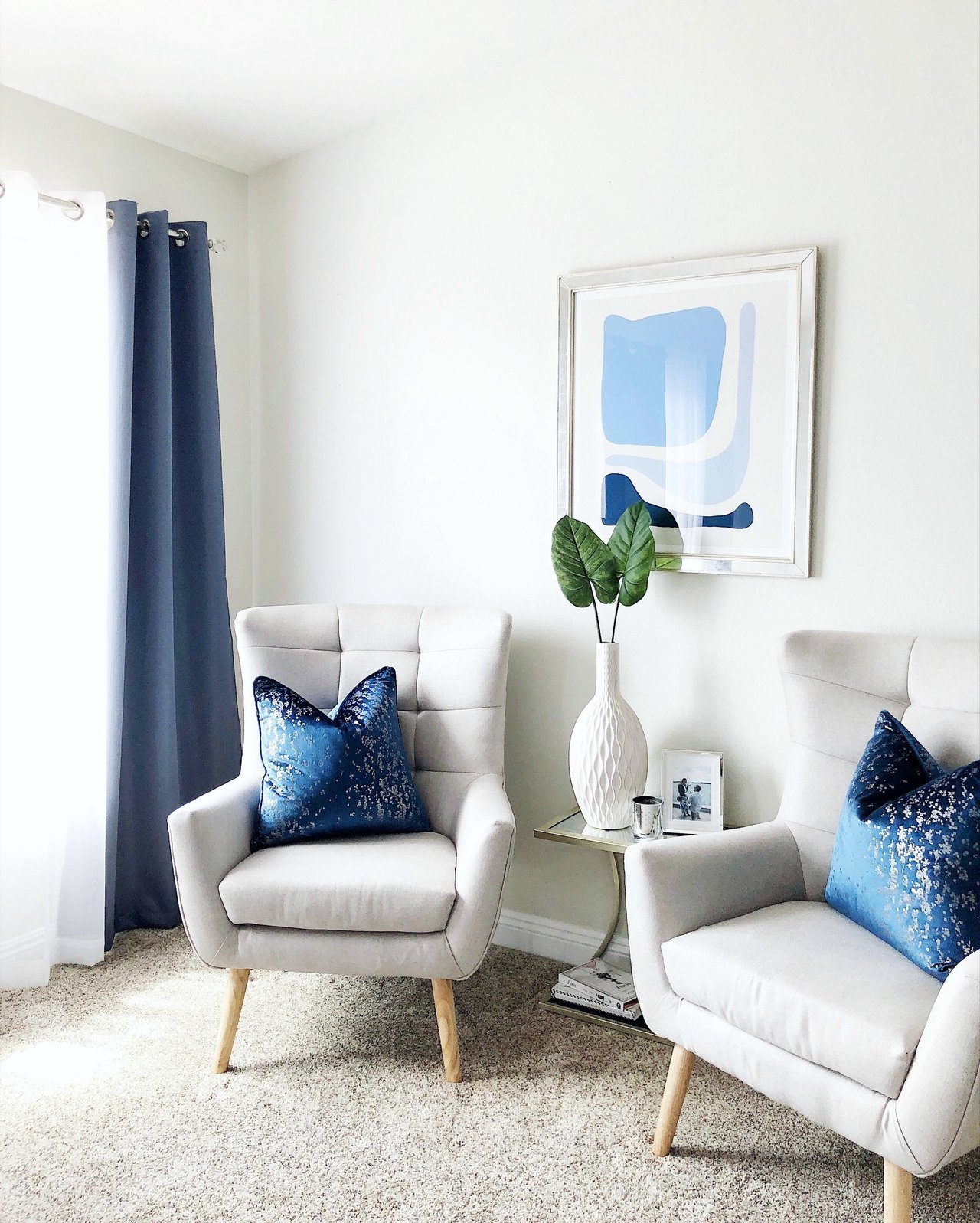
Downtown proximity is a selling point when you present it well. Highlight walkability, transit access, and event-day energy, then show how the home maintains comfort through quality windows, insulation, and thoughtful room placement. Staging can emphasize quiet retreats, like a serene primary suite or a private terrace away from the street. Targeted pre-sale updates, such as improved window seals or upgraded doors, can reassure buyers about day-to-day comfort.
If you are thinking of listing, a curated plan that combines design-forward staging with renovation guidance helps your home stand out. White-glove project management can coordinate repairs, upgrades, and inspections so you launch beautifully and on schedule. The result is a polished presentation that supports premium pricing in a high-demand, walkable location.
Ready to explore your options near Downtown Kirkwood or prepare a home for market with confidence? Work with Liz — Request your free home valuation with Unknown Company.
FAQs
How noisy is living near Downtown Kirkwood on weekends?
- Weekend evenings are livelier due to dining and occasional performances, and seasonal events can add brief spikes. Noise is mostly intermittent and tied to the calendar.
What should I know about parking if I live close to the station?
- Expect weekday morning demand as commuters arrive. Confirm permit options, time limits, and whether your property includes a garage, driveway, or assigned stall.
Are homes near the downtown core more expensive than other parts of Kirkwood?
- Generally, yes. Properties adjacent to the core often carry a premium for walkability and transit access, with smaller units more common close in.
Will transit and train activity hurt my property value?
- Transit access tends to increase desirability. Train and station sounds are factors, but many buyers view them as manageable with the right property features.
How can I reduce street noise inside my home?
- Prioritize double or triple-pane windows, solid-core doors, good insulation, and room layouts that place bedrooms away from the busiest frontage.
What events most affect parking and traffic downtown?
- Farmers’ markets, festivals, parades, and concert series can close streets or fill prime spaces. These are intermittent and usually concentrated around specific dates.
What should I verify before making an offer near downtown?
- Event schedules, parking rules, any resident permit zones, transit frequency, nearby zoning, and the home’s sound-mitigation features and parking details.